

Why Cooling Costs Run Higher Here Than a Few Miles West
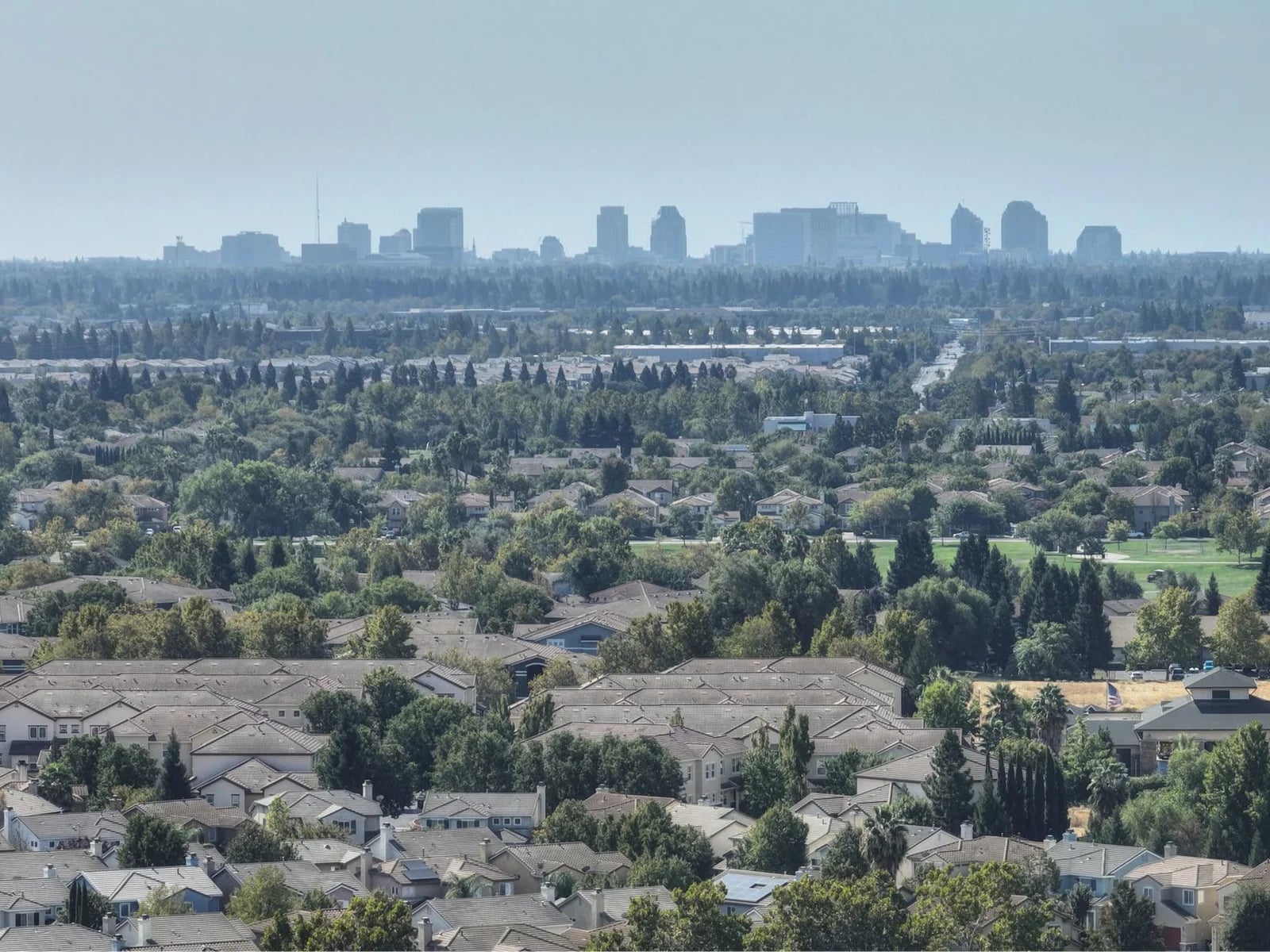
Every part of Los Angeles deals with summer heat, but this service area, sitting inland on the far side of the Santa Monica Mountains, regularly runs well above what the coastal side of the county experiences at the same hour. That gap means a cooling bill here reflects more than just thermostat habits. It reflects a genuinely hotter, drier climate than a home a short drive toward the water. A rising bill doesn't automatically mean the system needs replacing. Most of the time it means the system is fighting conditions harder than it needs to, for reasons that are fixable.
Here's what actually reduces cooling costs, starting with what costs nothing.
Start With the Filter, Because It Costs Nothing
Nothing on this list is cheaper or more overlooked than swapping a filter that's overdue. Once it loads up, the whole system has to pull harder to move the same volume of air, and that extra effort shows up on the bill before it shows up anywhere else. Homes tucked against the hillside brush go through filters faster than a flatland address, because the fine grit that rides down off the slopes during dry, gusty stretches piles onto ordinary household dust rather than replacing it.
Stop Chasing the Thermostat by Hand
A household that nudges the temperature up and down all day is working against itself. Every manual adjustment forces the system to catch up from wherever it was, which burns more energy than letting a programmed schedule ease the house a few degrees warmer while everyone's out or asleep and then bring it back down gradually before anyone's home to notice. Given how far this valley already swings between morning and afternoon, adding manual swings on top of the natural ones is the opposite of what helps.
Give the Condenser Some Shade, Not a Cage
An outdoor unit sitting in full sun all afternoon works measurably harder than one with a bit of natural cover, provided that cover doesn't choke off the airflow the unit needs around it. Clear away leaves, loose dirt, and landscaping that's crept in too close. Toluca Lake properties deal with this from the mature trees ringing the lake dropping leaf litter fast, while hillside yards with sparse tree cover face the opposite problem, a condenser exposed to the sun for more hours of the day than a shaded flatland yard would allow.

Chase Down the Duct Leaks You Can Reach
An attic baking under a long, unshielded summer sun turns every loose duct joint into a place where cooled air escapes before it ever reaches a register. Original tract housing throughout North Hollywood and the older ranch stock off Ventura Boulevard both tend to carry insulation wrap on their ductwork that's well past its useful life. A technician sealing what's accessible, and checking the rest, keeps the air you paid to cool actually inside the house.
Don't Skip the Attic Itself
Thin or settled insulation lets cooled air bleed out through the ceiling no matter how well the AC is running underneath it. This matters even more for a home with ducts routed through the attic, since that space has to stay somewhat close in temperature to the rest of the house for the ducts to do their job, and an attic here, without the coastal marine influence tempering things, runs hotter than one closer to the water. Sherman Oaks and Valley Village both have plenty of homes built before current insulation standards existed, worth a look if yours hasn't been checked.
Block the Sun Before It Gets In
West-facing and south-facing glass takes the worst of the afternoon heat, and covering it during those hours cuts the load the AC has to fight before it ever starts. This step costs nothing and matters most in hillside homes with big windows facing open sky, where there's simply more unobstructed sun tracking across the property than a shaded flatland lot ever sees.
Check That Nothing's Sitting on Top of a Vent
A couch pushed over a return grille or a rug covering a floor register restricts airflow just as effectively as a dirty filter does, and just as invisibly. Walking the house once to confirm every vent has clear space in front of it costs nothing and takes a few minutes.
Get Ahead of the Season With Maintenance
A system that hasn't been looked at since last year could already be carrying a dirty coil, a refrigerant charge that's slipped, or electrical components starting to wear. A tune-up done before the season really kicks in catches those as small, inexpensive fixes rather than mid-summer breakdowns, and in a climate that runs as long and hot as this one, that window between an easy fix and an expensive failure closes faster than it would somewhere milder.
A Smarter Schedule Beats a Basic Dial
A manual thermostat that never actually follows a schedule leaves money on the table simply from human forgetfulness. Moving to a model that runs a real program is a modest cost that tends to earn itself back within a season, and it earns that back faster here, given how many more hours a system runs across a summer this long compared to a milder, coast-moderated one.
Time Your Heat-Generating Appliances
Ovens, dryers, and anything else that throws off heat add directly to what the AC has to counteract, and that effect is worst during the hottest part of the afternoon. Running those appliances in the cooler morning or evening hours instead means the system isn't fighting indoor heat generation on top of everything already coming through the walls and windows.
The Ducts Themselves Need Insulation Too
Even an attic with decent insulation overhead can still have bare or thinly wrapped ductwork running through it. Since the air has to travel through those ducts before it reaches a register, any gap in the duct's own insulation lets it lose its edge along the way, and that loss adds up fastest on the longer runs typical of the bigger homes found throughout North Hollywood and Toluca Lake.
Shade Is a Long-Term Investment
Planting or positioning shade along the west and south sides of the house is a slower fix than anything above, but it pays off by reducing how much heat the building soaks up before the AC ever gets involved. Hillside homes with established landscaping already in place tend to run noticeably cooler than bare-yard neighbors, partly because that shade also softens the swing between the cool of the morning and the full heat of the afternoon.
Some Rooms Will Always Run Warmer
A room with big windows facing open sky, common in hillside properties, is going to run warmer than a shaded room on the exact same system, no matter what you do. Closing the door during peak heat and accepting that a single-zone system won't cool every room evenly saves the equipment from working overtime trying to force a match that the house's own layout won't allow.
When It's More Than a Habit Problem
Sometimes a system running about as efficiently as it can still delivers a high bill, because the equipment itself is the wrong size for the house or old enough that its parts have simply worn past what cleaning and adjustment can fix. If the filter, the schedule, the shading, and the obvious duct leaks are all already handled and the bill hasn't moved, that's a sign to stop guessing and get a real diagnostic instead.
No Two Addresses Look Quite the Same
Sun exposure, duct age, and elevation vary enough within this service area that the same efficiency habit can matter more in one neighborhood than another. A hillside lot near Fryman Canyon fights more unbroken sun than most. A flatland stretch of Sherman Oaks along Ventura Boulevard is more likely to still be running on original ductwork. The lakeside stretch of Toluca Lake gets a break from tree cover but pays for it with more leaf debris around the coils. North Hollywood's older tracts are frequent candidates for sealing work, and Valley Village's ranch layouts, with equipment tucked into the attic, get the most out of an insulation check specifically.
Talk to Someone Who Knows Your Setup
A cooling bill that feels out of proportion to how the household actually lives is worth a real look rather than a guess. Reach the team at (877) 549-6850 and we'll walk through your specific system, your ductwork, and your home's exposure before suggesting anything, replacement included only if the numbers genuinely point that direction.
Need Professional HVAC Service?
Our HVAC-experienced technicians are ready to help with all your AC and heating needs. Contact Studio City HVAC Repair today for expert service throughout the the southeast San Fernando Valley service area.


