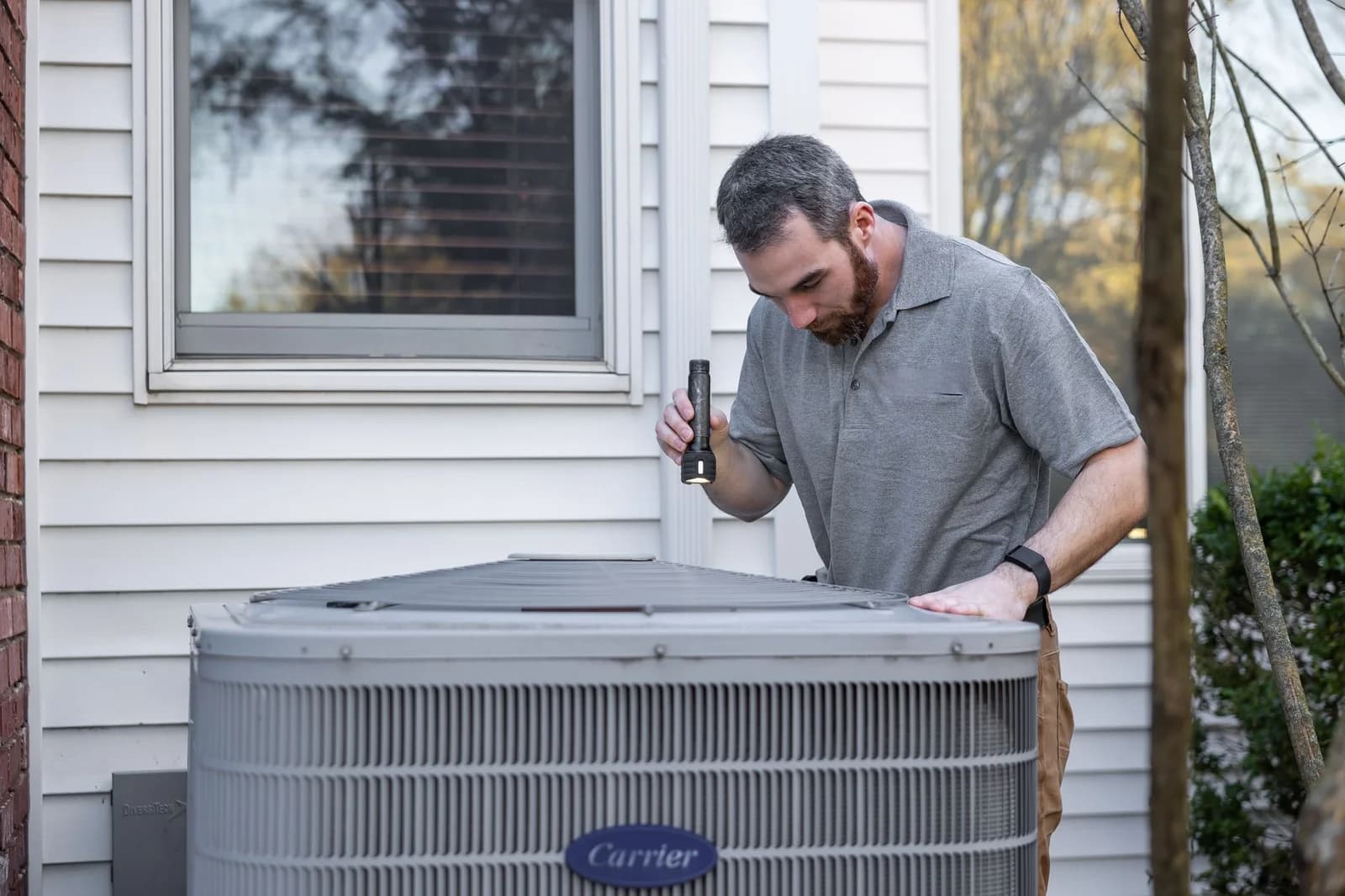
Furnace repair service in Studio City starts with one phone call and a clear description of what the furnace does when you ask for heat. When a furnace clicks, glows, or lights and quits, the fault is often one of two small parts: the flame sensor or the igniter. Both are quick repairs when the technician arrives with the part on the truck.
Studio City HVAC Repair books furnace repair across Studio City, Sherman Oaks, Toluca Lake, North Hollywood, Valley Village, Burbank and Glendale. Phones are answered 24/7, and same-day visits are available most days. When you call, tell us three things: what the furnace did, how old the system is, and where the unit sits. A hallway closet, a garage and an attic each change the access, and that decides what goes on the truck.
If you smell gas, leave the house first, then call SoCalGas or 911 from outside.
The ignition faults behind most no-heat calls
A gas furnace has to light, prove the flame, and keep burning. Two parts handle most of that sequence, and each fails in its own way.
- Igniter: the thermostat calls for heat, the inducer fan runs, but the burners never light. You may hear clicking, or nothing at all.
- Flame sensor: the burners light, then go out a few seconds later, and the furnace tries again or locks out.
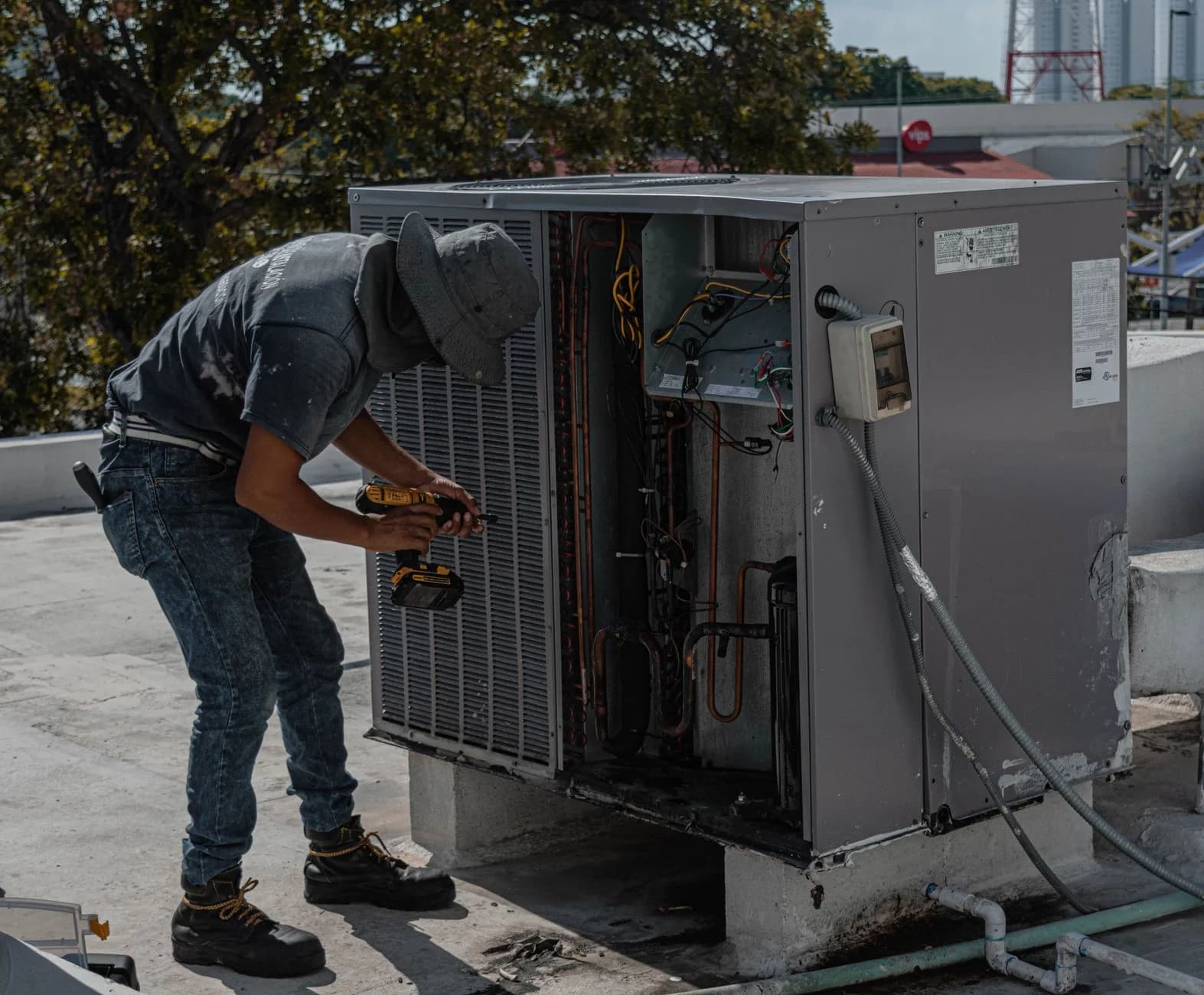
In a Studio City closet or attic furnace, the repair is usually a swap or a cleaning, done in one visit when the part is on the truck.
Other faults can look the same from the living room, such as a tripped limit switch, a blocked vent or a weak control board. That is why the visit starts with a test and not a guess. You see the finding before any part is replaced.
What each repair costs
These are the figures for the two ignition repairs in Studio City.
| Repair | Price |
|---|---|
| Igniter replacement | Averages $219 |
| Flame sensor cleaning or replacement | $109 to $320 |
The flame sensor range is wide because the work covers two jobs. A light coating on the rod means a cleaning, which sits at the low end. A pitted, bent or loose rod gets replaced, and access to the burner compartment can push the job higher.
Anything beyond those two parts is quoted after the technician tests the furnace. A control board, a limit switch or a gas valve problem gets its own written number before work starts. You approve it or you say no. Nothing is repaired on a guess.
Ready to put a visit on the calendar? Send the details below and we will book the first opening that fits.
What the technician checks before leaving
A furnace that lights once while the technician is standing there proves very little. The visit ends only after the system has proven itself.
- The new or cleaned part is tested through several full heat cycles, so the flame holds.
- The wiring and connections to the part are checked for wear or a loose ground.
- The burner flame and the vent path are looked over for anything that could stop the burn again.
- The thermostat call and the blower start are confirmed, so warm air reaches the rooms.
- A carbon monoxide check is part of the visit on a fuel-burning appliance.
You get a plain account of what failed, what was done, and what to watch. If something else on the furnace is wearing out, it is named with a written price and you decide when to act. Repair is the job, and a bad igniter never turns into a sales pitch.
Repair or replace
Most ignition faults are repair jobs on a furnace of any age. A new igniter or a cleaned sensor costs a small fraction of a new system, so repair is the first answer.
Replacement enters the talk when the furnace has a bigger fault, such as a cracked heat exchanger, or when repairs keep stacking up on the same unit. In that case the technician lays out both numbers side by side: the repair in front of you, and a quote for heating installation on paper. Installation is permitted work in California, and depending on the scope, Title 24 can require duct sealing and a leak test by a third-party rater. Both show up in the written quote so you can compare real figures.
You can also keep ignition parts from stranding you on a cold night. Heating maintenance catches a coated sensor or a weak igniter before the first cold front, and a visit is a good moment to ask about the rest of the system.
For the repair itself, start at heating repair.
FAQ
How fast can you get a technician to my Studio City home?
Same-day visits are available most days, and phones are answered 24/7. You get an arrival window when the visit is booked. Call early in the day to improve your odds of a same-day slot.Will I know the price before you start?
Yes. The igniter and flame sensor figures are listed above, and anything else is quoted in writing after testing. Work begins once you agree to the number.Do you carry igniters and flame sensors on the truck?
We carry igniters and flame sensors for the furnace brands common to Studio City homes. Tell us the make and model when you book and we will check what to bring. An unusual unit may need a part ordered, and you are told that up front.My furnace lights and then shuts off. Is that the sensor?
It often is, but a blocked vent or a weak connection can cause the same pattern. The technician tests before replacing anything. That keeps you from paying for a part you did not need.Is it worth repairing an older furnace?
For an ignition fault, usually yes. If the test turns up a larger failure, you get the repair price and a replacement quote together, and you choose.Do you repair furnaces in Burbank and Glendale too?
Yes. The service area runs from Studio City through Sherman Oaks, Toluca Lake, North Hollywood, Valley Village, Burbank and Glendale.Furnace not lighting or shutting off? Call (877) 549-6850 to book your repair visit with Studio City HVAC Repair.
Need Professional HVAC Service?
Our HVAC-experienced technicians are ready to help with all your AC and heating needs. Contact Studio City HVAC Repair today for expert service throughout the the east San Fernando Valley service area.