
Smoke Follows the Canyons
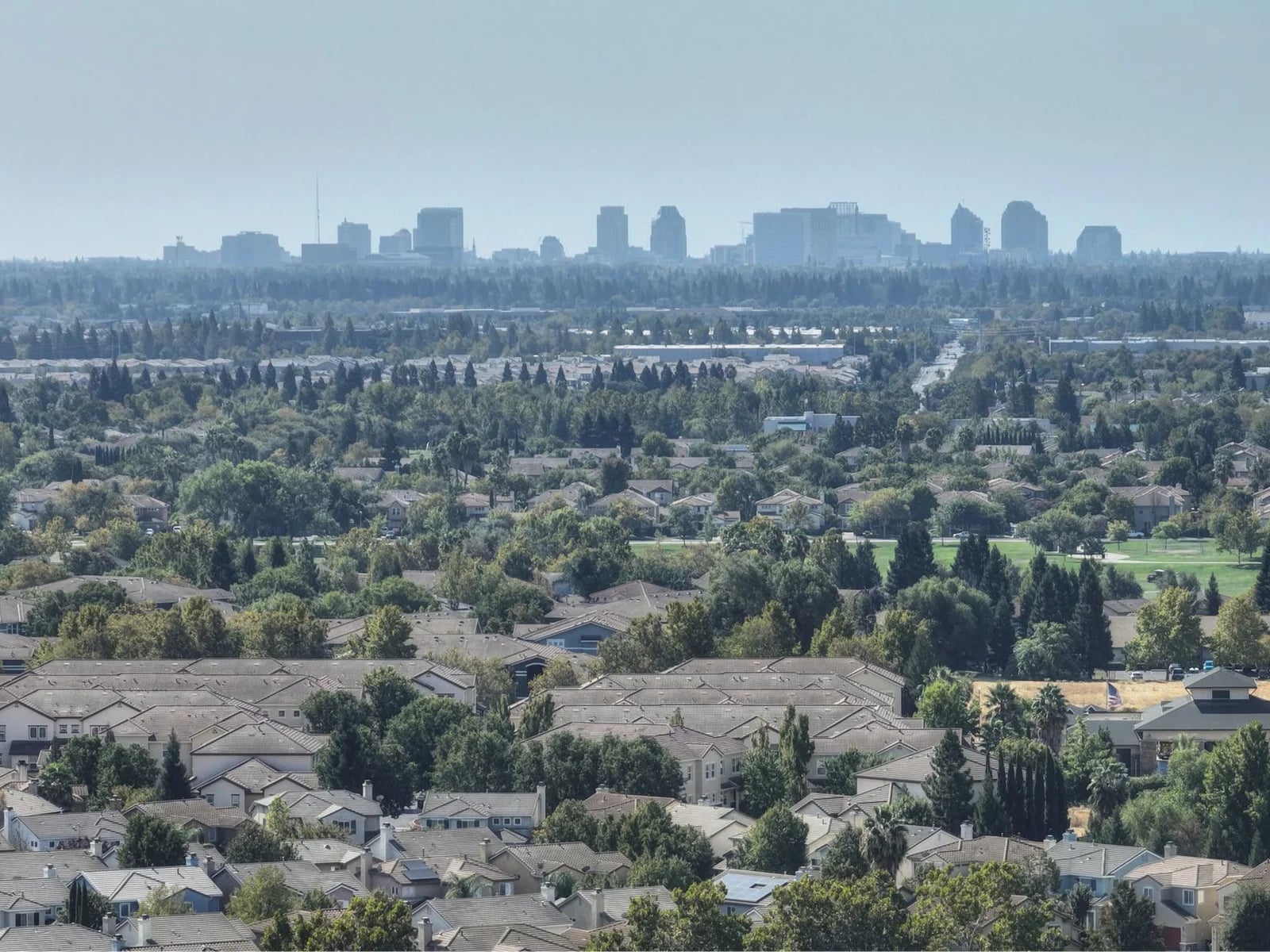
The hillside terrain around Fryman Canyon and Laurel Canyon that shapes so much of this service area's microclimate also shapes how wildfire smoke moves through it. Smoke from fires burning anywhere in the surrounding mountains tends to funnel through canyon passes and settle in the terrain below them, which means a hillside home positioned near one of these passes can see smoke arrive earlier and sit longer than a flatland home a mile away. Closing the windows helps, but it isn't enough on its own anywhere in the service area, and understanding why explains what actually protects indoor air during a smoke event.
No House Is Actually Airtight
Even a tightly built home trades air with the outside all day long. Door thresholds, window frames, bathroom and kitchen exhaust fans, and the HVAC system itself, depending on how the equipment is set up to handle outside air, all give particulate a way in. None of that is usually a problem, but during a smoke event, each of those paths becomes a route fine particles can travel through, which is the reason shutting the windows rarely keeps the air inside genuinely clean once a fire is burning nearby. A property sitting closer to a canyon pass, where smoke concentrates more heavily, feels this gap more than a flatland home a mile off the brush line does.
Your Nose Clears Up Before the Air Actually Does
The smell of smoke fades well ahead of the fine particulate that's actually the health concern. A house can seem to smell fine while still carrying elevated particulate from an event that ended days earlier, especially if it stayed buttoned up tight through the worst of it without much fresh air moving through since. That gap is exactly why a monitor reading beats trusting your nose to tell you when filtration can ease off, and it's a bigger gap in canyon-adjacent homes, where the surrounding terrain tends to hold smoke in place longer than it lingers over more open ground.
The Filter That Came With Your System Was Never Built for This
Most residential systems ship with a filter designed to protect the equipment, catching dust and the larger debris, rather than to pull fine particulate matter out of the air people are breathing. The particles carried in wildfire smoke are small enough to sail right through that kind of basic media without slowing down. Moving up to a higher-rated filter that your system's airflow can actually tolerate is the first move worth making, and it's worth having a technician confirm the blower can handle it before installing the densest option available.

Whole-Home Filtration Options
HEPA and Electronic Air Cleaners
Adding a dedicated cleaner to the HVAC system itself pulls a far greater share of fine particles out of the air than the filter alone could manage, and it covers the whole house rather than a single room. Of everything on this list, it's the single upgrade that does the most for a household in one of the more exposed canyon-adjacent spots that deals with smoke returning year after year.
UV Germicidal Lights
These are aimed mostly at mold spores and other biological growth rather than wildfire particles specifically, though homeowners often add them at the same time as a filtration upgrade so the whole air quality plan gets handled in one visit.
Ventilation Upgrades
A balanced ventilation setup pulls fresh air in through a filtered opening instead of through whatever gaps and cracks happen to exist in the building envelope. When smoke rolls in, that same setup can be dialed back on outside air and leaned harder on filtered recirculation until conditions improve.
Sealing the Home Itself
None of that filtration matters for air that skips the HVAC system entirely, and gaps around doors, windows, and other penetrations give smoke exactly that shortcut. Running weatherstripping and closing off the obvious gaps cuts down how much unfiltered, smoke-heavy air finds its way in that way, a step worth pairing with any filter upgrade and one that counts for more in a hillside home sitting nearer the source, where outdoor particulate concentrations start out higher to begin with.
Don't Shut the System Off
Shutting the HVAC system down during a smoke event to keep smoke from getting drawn in usually does the opposite of what people intend. Filtration stops entirely, and the house is still trading a little air with outside through its ordinary gaps regardless. Leaving the system running on the fan setting, with a filter rated for fine particulate, keeps that air moving through something that's actually catching it instead of drifting in unfiltered.
A Portable Unit Fills In the Gaps
A single room where someone spends most of their time, a bedroom especially, benefits from its own portable air cleaner layered on top of whole-home filtration. This helps most in older homes around North Hollywood and Sherman Oaks, where the central system's ductwork often can't accept a filter dense enough to catch everything on its own. A portable unit won't replace fixing the main system, but it buys real protection in the specific room that needs it most.
Trust the Monitor Over Your Nose
A reading from an actual air quality monitor tells you more than smell or outdoor haze ever will. Particulate can stay elevated indoors well after the visible haze outside has lifted, and that lag runs longer in canyon-adjacent homes where the terrain itself holds smoke in place after it's cleared from more open ground nearby.
Getting Ready Before Smoke Season Arrives
Filter Compatibility Check
A system's blower has to be able to pull air through whatever filter you put in it, and not every setup can handle a dense, high-efficiency one without a technician checking capacity first. Forcing too tight a filter onto equipment that isn't rated for it chokes airflow and strains the whole system instead of helping it. Better to find that out ahead of fire season than in the middle of an active event.
Getting the Sizing Right
A whole-home cleaner has to be matched to your ductwork and square footage, or it simply can't keep pace with the volume of air the system is moving. Going smaller to save money upfront leaves you with a unit that falls behind during a long smoke event, and that gap shows up hardest in homes nearer the canyon passes, where smoke tends to run thicker and stick around longer than it does further out.
While the Smoke Is Actually There
Keep the house closed up, set the HVAC fan to run continuously instead of letting the thermostat cycle it on and off, hold off on candles or anything else that adds its own particulate indoors, and glance at the air quality monitor every so often rather than assuming nothing's changed since you last looked.
Once the Air Clears Outside
A short window opening once outdoor conditions genuinely improve helps flush out whatever settled indoors during the event, and that's a good moment to swap the filter too if it carried a heavy load through an extended stretch of smoke. A filter that's caught that much has done exactly what it was supposed to, which also means it's used up and ready to be replaced ahead of its normal schedule.
Why This Matters More Depending on Where You Sit
A property sitting right against the brush near Fryman Canyon or Laurel Canyon is simply closer to the fuel driving most local fires, and the same canyon shape that funnels a marine layer morning funnels smoke during a fire the same way, so exposure tends to arrive sooner and hit harder there. Toluca Lake and North Hollywood sit further back from that immediate brush line, but a large enough regional fire still brings smoke into those neighborhoods too, usually arriving later and settling in at a lower peak than the canyon-adjacent streets experience.
Get Your System Ready
Rather than hoping closed windows hold up through the next event, get your system genuinely ready by calling (877) 549-6850. We'll assess what your equipment can currently filter, suggest upgrades sized to your real ductwork, and have everything in place well before the next red flag day anywhere from Studio City through Sherman Oaks, Toluca Lake, North Hollywood, and Valley Village.
Need Professional HVAC Service?
Our HVAC-experienced technicians are ready to help with all your AC and heating needs. Contact Studio City HVAC Repair today for expert service throughout the the southeast San Fernando Valley service area.


