

When the Valley Runs Hot, Your AC Tells You Fast
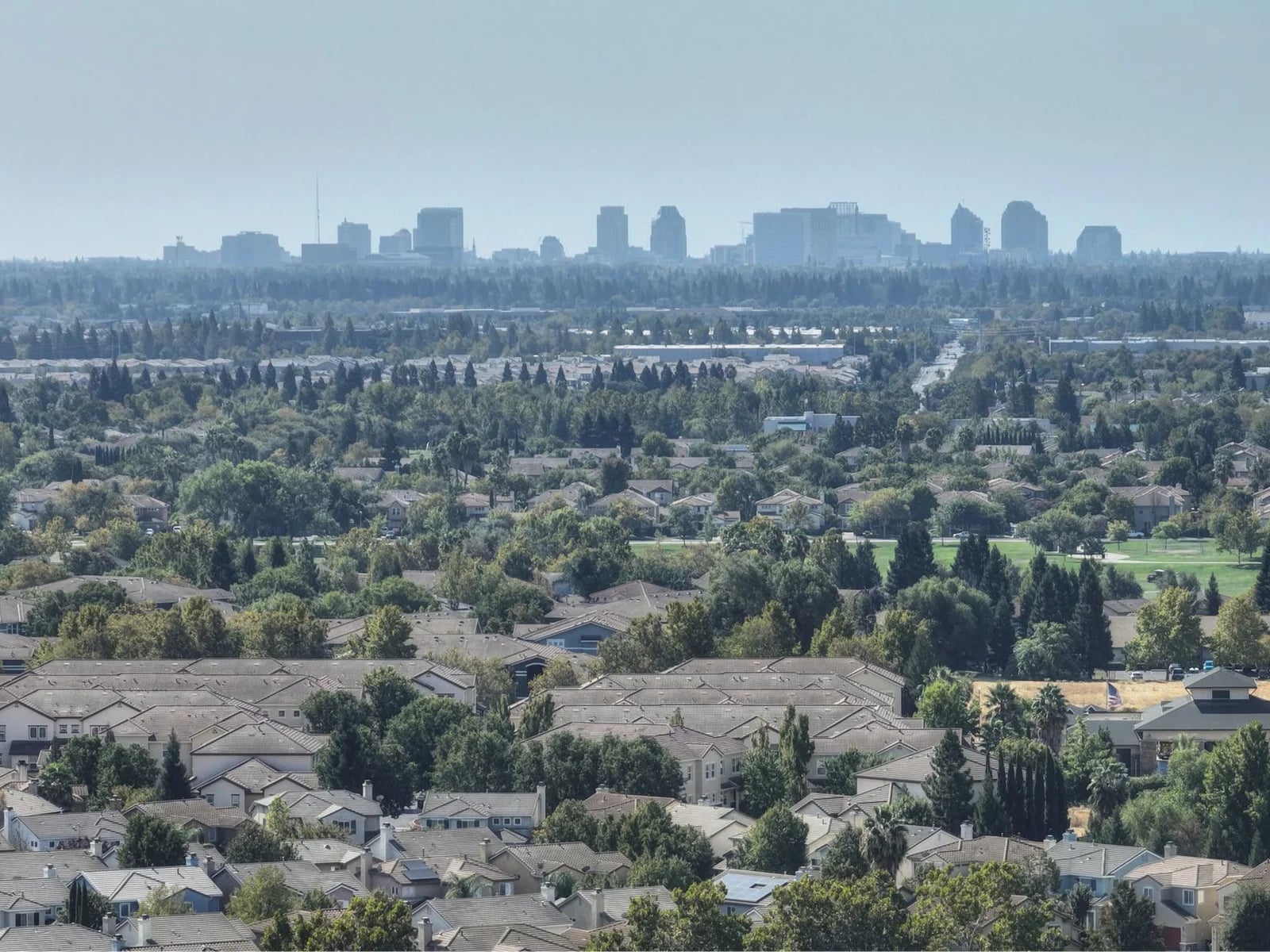
Studio City and the surrounding service area sit inland, on the far side of the Santa Monica Mountains from the ocean, which means summer afternoons here regularly run well above what the coast is experiencing at the very same hour. That gap, sometimes wide enough that a weather app describing greater Los Angeles doesn't come close to describing what's happening at your specific address, means an AC system here works through bigger daily swings than a system a few miles closer to the water. A system with a developing problem tends to show it here first, and faster, because there's less margin before the heat exposes whatever's already wearing down.
Here are the signs worth knowing, and the mechanism behind each one.
Weak or Uneven Airflow
What You'll Notice:
- - Registers that used to move air firmly now feel weak
- Some rooms cool while others barely respond
- The system runs long stretches without the house catching up
Why It Happens:
A system fighting restricted airflow, whether from a loaded filter, a dirty evaporator coil, or a duct problem, has less margin for error once the outdoor temperature climbs well into the nineties, which happens often here even on days the coastal side of the mountains stays comfortable. Older ranch homes off Ventura Boulevard sometimes have ductwork with a joint that's separated in the attic, sending conditioned air into the attic space itself rather than the room it should reach, and that kind of loss becomes obvious fast once the gap between inside and outside temperature really opens up.
What Helps:
A technician checking static pressure and refrigerant charge together can usually isolate whether the issue is airflow, refrigerant, or ductwork within a short visit.
Ice Forming on the Lines or Coil
What You'll Notice:
- - Frost or ice on the copper lines outside
- Ice on the indoor coil when the panel is opened
- Water pooling near the indoor unit as ice melts between cycles
Why It Happens:
Ice forms when the coil temperature drops too low, usually from restricted airflow or a refrigerant charge that's slipped below spec. In canyon-adjacent homes near Fryman Canyon and Laurel Canyon, fine dust that settles into filters during the swing between damp mornings and dry afternoons speeds this up, since a partially loaded filter restricts just enough airflow to start the icing process even before it looks obviously dirty.
What Helps:
Shut the system off and let it thaw fully before calling, since running it while iced can strain the compressor. Once thawed, a technician can check filter, airflow, and charge to find the actual cause.

Water Around the Indoor Equipment
What You'll Notice:
- - Ceiling stains below an attic-mounted air handler
- Standing water in the drain pan
- A musty smell near a utility closet housing the system
Why It Happens:
The condensate drain line clears water off the evaporator coil, and algae or debris buildup inside it eventually clogs the path, backing water into the pan and beyond. Homes running longer cooling cycles because of the wider temperature swing typical here generate more condensation over the course of a day than a system in a milder, more coastal-influenced climate, so drain line issues tend to surface sooner.
What Helps:
Clearing the line, checking the pan for damage, and confirming the correct slope keeps the drain working on its own going forward.
Rising Bills With No Change in Habits
What You'll Notice:
- - An electric bill climbing over a few months with the thermostat set the same
- The system running longer or more often than it used to
- Short cycling, turning on and off repeatedly instead of completing a full run
Why It Happens:
A system fighting a dirty condenser coil, thinning refrigerant, or a capacitor that's starting to go has to work harder to hold the same setpoint, and given how wide this service area's daily temperature range already runs, that extra strain compounds fast across a single billing cycle. North Hollywood and Valley Village properties still running their original ductwork see this often, since years of attic heat, and the attics here bake especially hard under a summer sun with no coastal cover to soften it, wear down duct seals and insulation gradually enough that nobody notices until the loss adds up.
What Helps:
A bill that's climbing without an obvious reason is worth a service call before the underlying cause becomes a full breakdown.
Unusual Noise or Smell
What You'll Notice:
- - Grinding, squealing, or banging from the outdoor unit or air handler
- A burning smell at startup
- A musty smell suggesting mold in ductwork or the drain pan
- Clicking that continues rather than stopping once the system starts
Why It Happens:
Grinding or squealing usually points to a worn motor bearing or belt. A burning smell needs immediate attention since it can signal a wiring or motor issue that's a fire risk. Musty smells almost always trace back to moisture sitting somewhere it shouldn't, and in this service area that's often tied to the same damp morning, dry afternoon cycle that stresses outdoor equipment finding its way into ductwork that isn't sealed as well as it should be.
What Helps:
Any burning smell means shutting the system down immediately and calling for service rather than waiting to see if it happens again.
Signs That Point to the Valley's Wider Swing Specifically
Beyond the five above, a couple of things are worth watching that relate directly to how much this service area's temperature swings compared to areas closer to the coast: a system that seems to struggle more on the hottest handful of days each year even though it handles typical days fine, and a system that runs noticeably harder in homes higher up a canyon slope than in flatland homes nearby. Both point toward a system that's at or near its capacity limit for the conditions it's actually facing here, not the milder average conditions its rated capacity might assume.
Waiting Costs More Than Calling
A small problem ignored through one more heat spike tends to become a bigger one. A dirty filter that restricts airflow can freeze a coil and strain a compressor, one of the most expensive parts to replace. A slow refrigerant leak means the system works harder every week it goes unaddressed, using more electricity for less cooling until it fails outright, usually during the exact stretch of days you need it most.
How We Find the Actual Cause
Calling about one of these signs gets you a technician who checks static pressure, refrigerant charge, electrical readings, and register airflow before recommending anything at all, rather than jumping straight to a fix based on the symptom you described over the phone. A single complaint like weak airflow could trace back to a dirty filter, a blower motor on its way out, or a duct leak, three very different repairs, and guessing wrong means paying for work that never touches the real problem.
Get It Checked Before the Next Heat Spike
Noticed any of this at your own address, whether that's up a Studio City canyon road or out on a flatland street in Sherman Oaks, Toluca Lake, North Hollywood, or Valley Village? Call (877) 549-6850. We diagnose the actual cause first and give you a written estimate before starting any work, so you understand exactly what you're paying for, and why this climate's swings made it show up when it did.
Need Professional HVAC Service?
Our HVAC-experienced technicians are ready to help with all your AC and heating needs. Contact Studio City HVAC Repair today for expert service throughout the the southeast San Fernando Valley service area.


